Why HVAC matters in a fast move
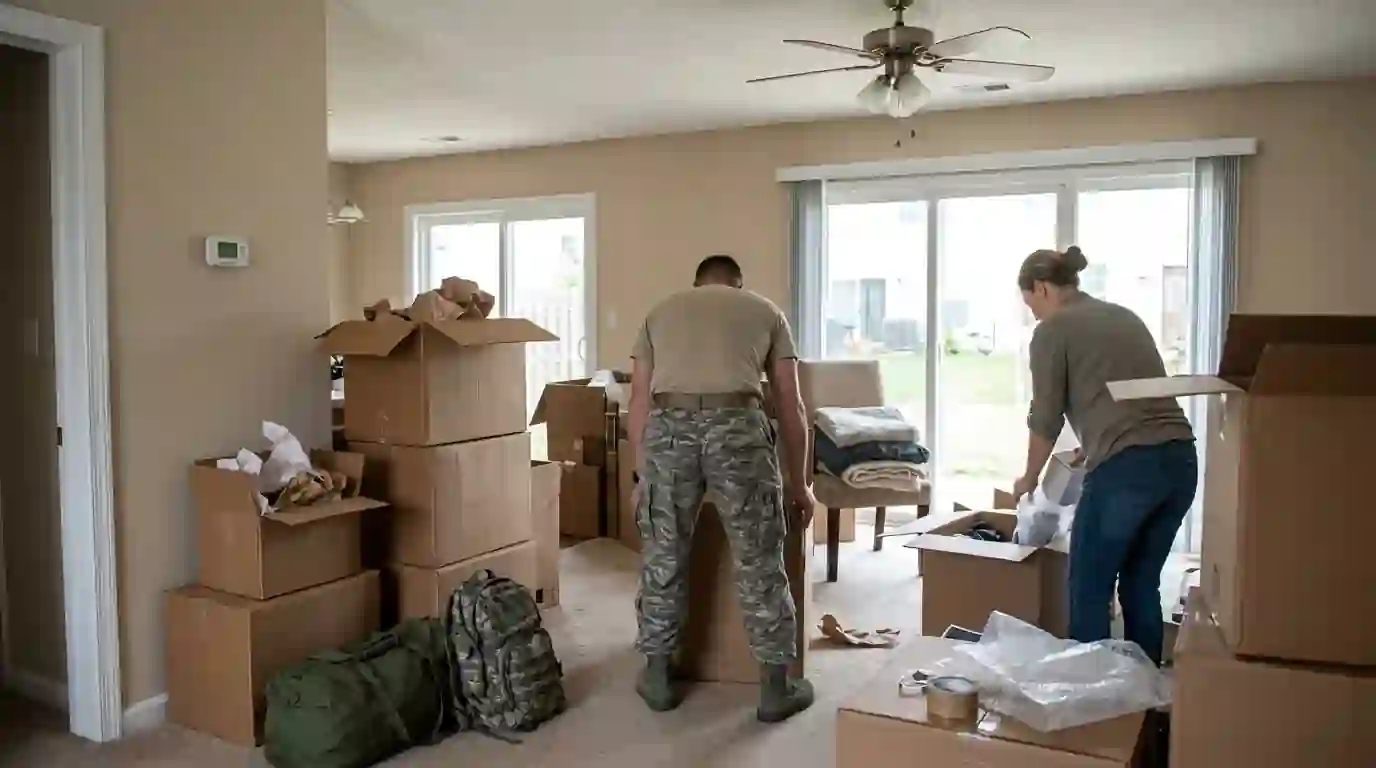
Hampton Roads has one of the largest military populations in the country, and many families buy or rent here with only weeks of notice and sometimes without seeing the home in person. Heating and cooling is one of the costliest systems in a house, and our humid summers will reveal a weak system quickly.
Find the age
The data plate on the outdoor unit and the indoor unit includes a serial number that encodes the manufacture date. A general inspector may list it, or we can look it up. Systems over 15 years old are near the end of their typical life here.
Check the refrigerant
The outdoor unit's data plate lists the refrigerant. R-22 means an older system that will be expensive to repair if it leaks. R-410A is common. Systems installed since 2025 use newer refrigerants.
Look at drains and ducts
Ask for photos of the air handler, drain pan and condensate line. Rust in the pan, water stains on the ceiling below an attic unit or no float switch are warning signs. In crawlspace homes, ask about duct insulation and whether there is a vapor barrier, since sweating ducts are common here.
Ask the right questions
Has the system been maintained, and are there records? Has it ever needed refrigerant? Are any rooms hard to keep comfortable? Has the yard ever flooded near the outdoor unit? For rentals, who handles HVAC repairs and how fast?
Get a proper inspection
A dedicated HVAC inspection tests cooling and heating performance, refrigerant pressures, drains and ducts and gives you a written report with repair price ranges. Many families use it to negotiate or to plan the first year's budget.
Questions about your own system? Call (757) 529-6260, answered 24/7.