Furnace starts then shuts off
Often a dirty flame sensor.
Heating
Gas furnaces in Virginia Beach and Chesapeake fail most often on the first cold nights of the year. We repair igniters, flame sensors, inducer motors, pressure switches, boards and blowers, and we check safety before we leave.
Furnace repair in Virginia Beach usually costs $175 to $695. The most common fixes are a dirty flame sensor, a failed hot surface igniter, a stuck pressure switch, a clogged condensate trap on high-efficiency units, or a failed inducer or blower motor. Every visit includes a carbon monoxide and venting check.
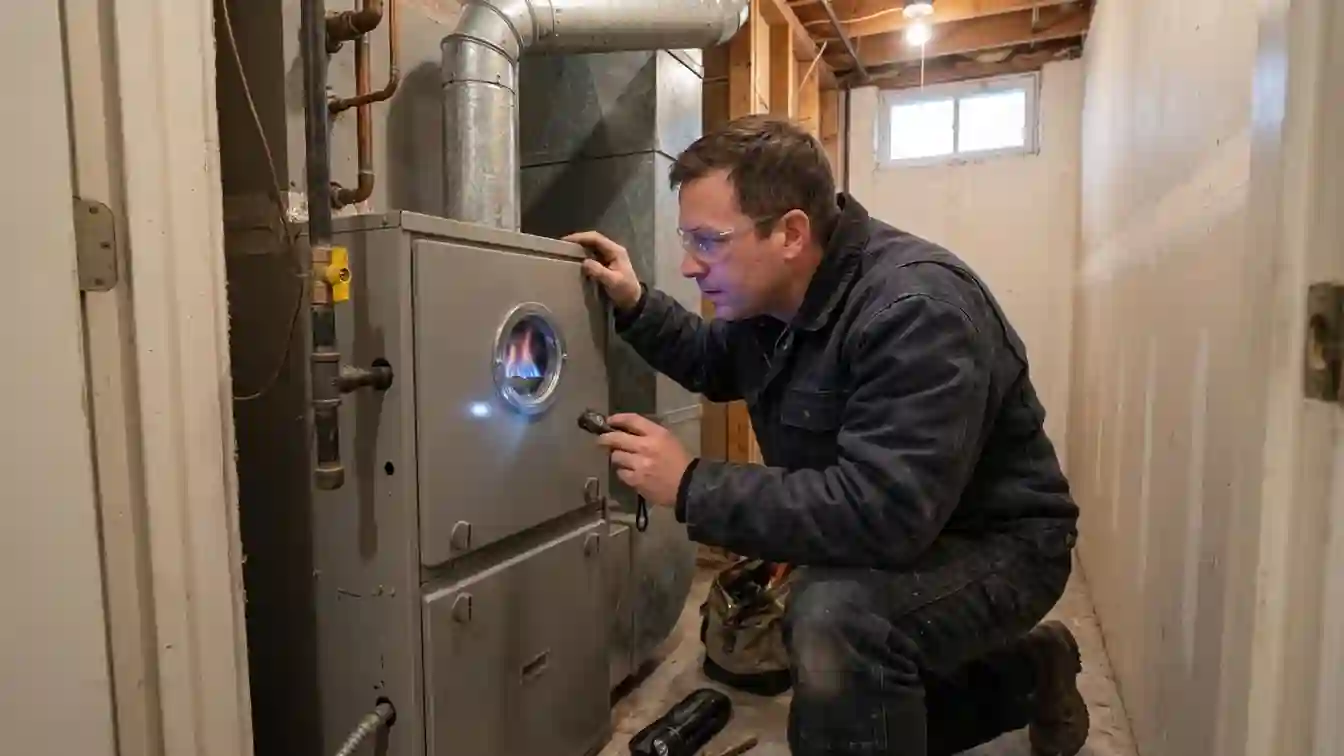
A modern furnace runs through a sequence: the inducer starts, the pressure switch proves venting, the igniter heats, the gas valve opens, and the flame sensor confirms the flame. The control board reports where the sequence stopped with a blink code. That code is our starting point.
We test each step, clean or replace the failing part, and check the heat exchanger, flue and combustion air. If a furnace shows signs of a cracked heat exchanger or venting problems, we tell you plainly and do not leave it running unsafely.
How the visit goes
Board blink code and history.
Inducer, pressure switch, igniter, gas valve and flame sensor.
Carbon monoxide, flue and heat exchanger.
Clean or replace the failing part.
Full heating cycle observed and temperature rise measured.
What to watch for
Often a dirty flame sensor.
The control board is reporting a fault.
Igniter or gas valve trouble.
Delayed ignition from dirty burners. Call soon.
A limit switch, board or thermostat issue.
A clogged condensate trap or line.
Typical price range
$175 to $695
Common repairs, parts and labor. A typical range for Virginia Beach homes, not a quote. You get an exact price before any work starts.Compare ranges for every service on our typical prices page.
Local know-how
Gas furnaces are less common here than heat pumps, but many homes in Great Neck, Kempsville, Thoroughgood and much of Chesapeake heat with gas. Because they sit idle from April to November, the first cold week brings a wave of flame sensor and igniter failures.
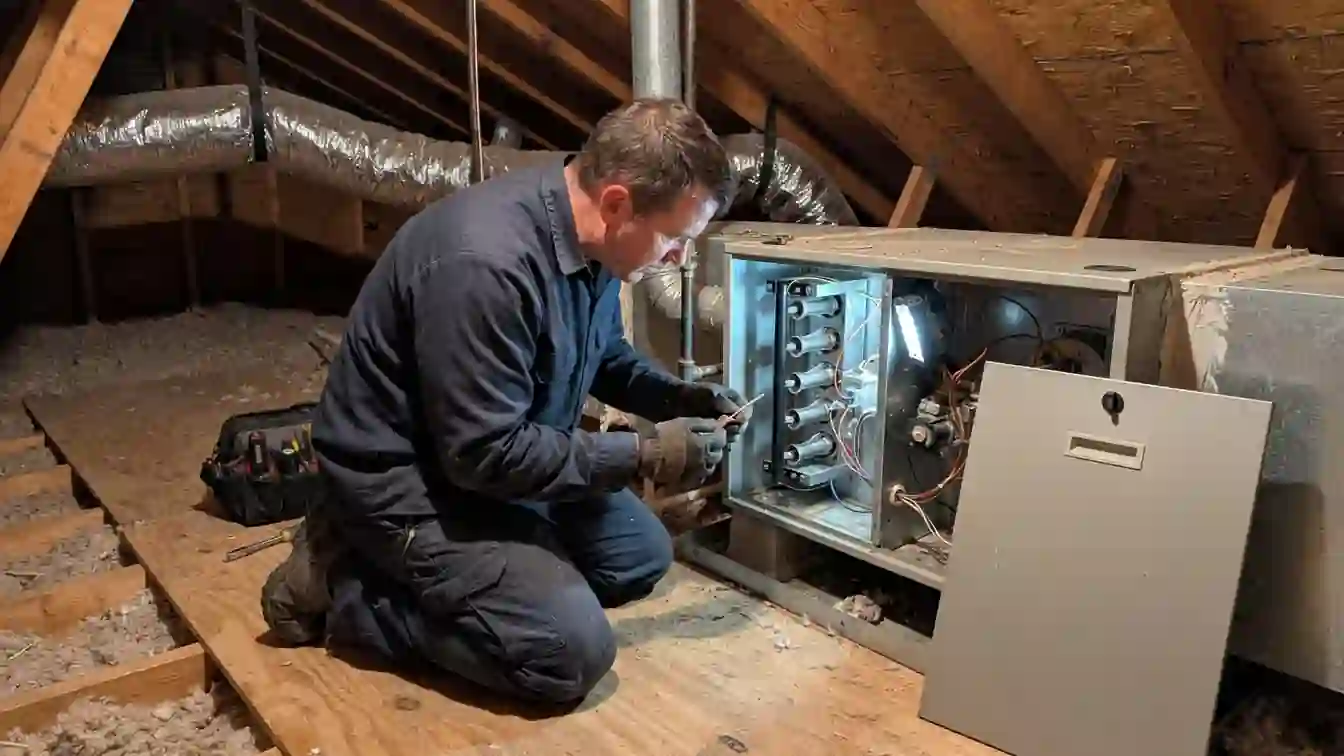
Attic furnaces, common in Hampton Roads, also see condensate problems on high-efficiency models when traps and lines are not kept clear.
Coverage
We cover all of Virginia Beach and the surrounding cities and counties. These are some of the areas we visit most often for this work.
Related work
A fall furnace tune-up catches dirty flame sensors, weak igniters and venting problems before the first cold night, and it includes a carbon monoxide check before the heat runs.
See Furnace tune-upNo heat on a 20 degree night is an emergency.
See Emergency heating repairAny home with a gas furnace, boiler, water heater, fireplace or attached garage should have its combustion equipment checked.
See Carbon monoxide testingWhen a gas furnace is too old or unsafe to repair, we replace it with a properly sized unit, correct venting and a matched coil if you are replacing cooling at the same time.
See Furnace replacement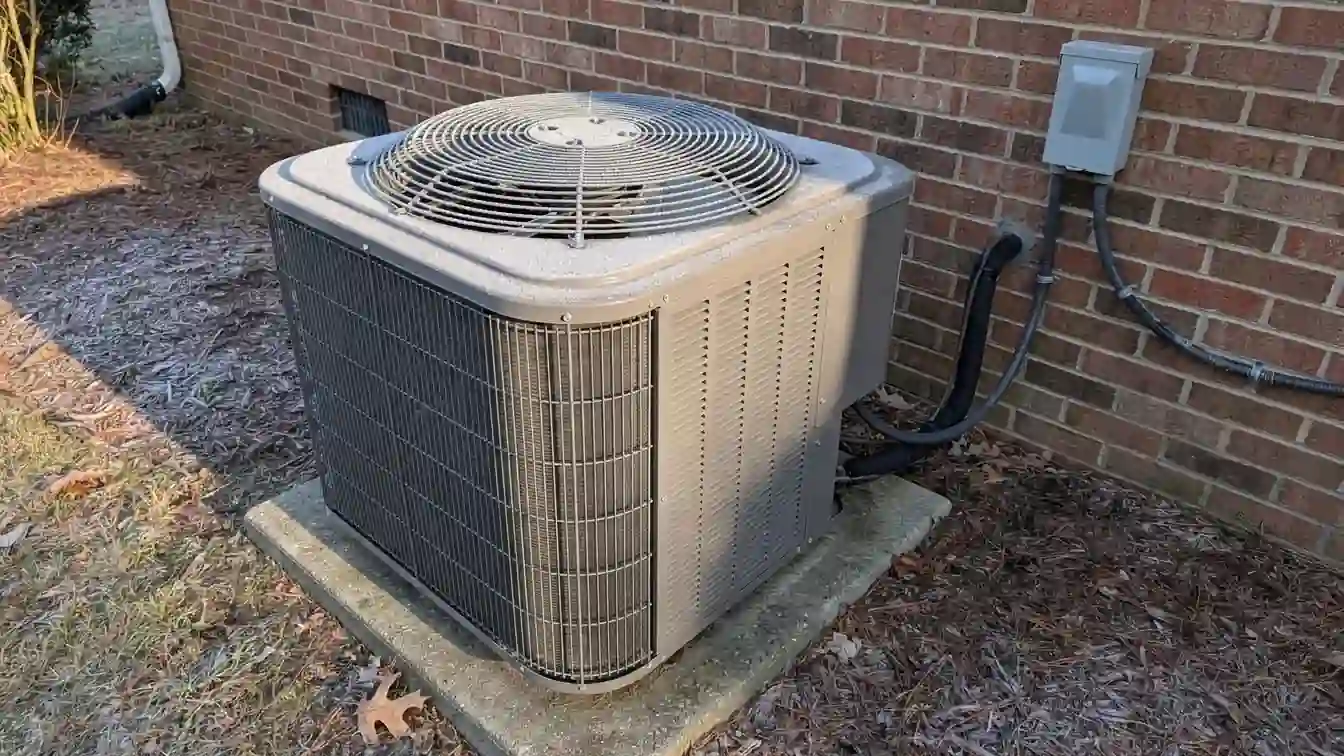
Most Virginia Beach homes heat with a heat pump, but many have gas. Here is how to choose between a heat pump, a furnace and dual fuel.
Questions
A dirty flame sensor is the most common cause. It is a quick repair.
Yes. Leave the house, then call Virginia Natural Gas or 911 from outside. Call us after the gas utility has made it safe.
Yes, on every furnace visit.
Small repairs can make sense. A cracked heat exchanger or major part on an old furnace usually means replacement.
Call (757) 529-6260. A person answers 24 hours a day, and you get the price before any work starts.